Best practices for medical waste disposal in Miami businesses
Learn essential medical waste disposal practices for Miami businesses to ensure safety and compliance with regulations.
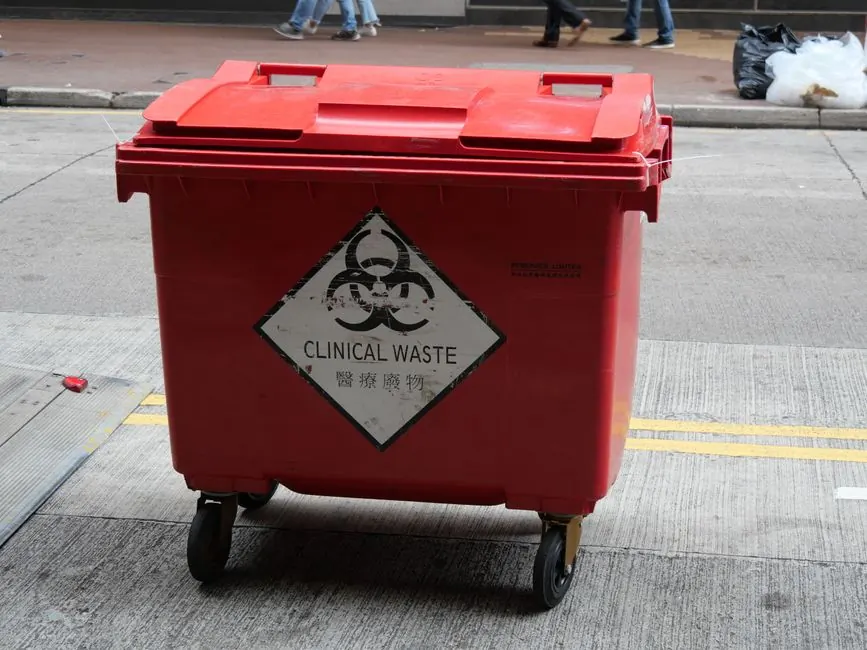
In Miami, proper medical waste disposal is crucial for health and safety. Understanding the best practices can help your business comply with regulations and protect the community. This article will cover the types of medical waste, local regulations, best disposal practices, common mistakes, and when to seek professional help.
Understanding Medical Waste
Medical waste refers to any waste generated in the diagnosis, treatment, or immunization of humans or animals. This waste can pose significant health risks if not handled properly. Miami businesses, especially healthcare providers, must be diligent in their disposal methods to minimize risks to public health.
Types of Medical Waste
There are several categories of medical waste, each requiring specific disposal methods. These include:
- Infectious Waste: Waste that contains pathogens, such as blood-soaked materials.
- Sharps: Needles, blades, and other sharp objects that can cause injuries.
- Pathological Waste: Human tissues, organs, or body parts.
- Chemical Waste: Waste that includes pharmaceuticals or hazardous materials.
- Radioactive Waste: Waste from medical procedures involving radioactive substances.
Each type of waste requires a tailored disposal approach to ensure safety and compliance.
Local Regulations in Miami
Miami has specific regulations regarding medical waste disposal that businesses must follow. The Florida Department of Health oversees these regulations, which include:
- Proper segregation of medical waste from regular waste.
- Use of approved containers for sharps and infectious waste.
- Regular training for staff on waste handling procedures.
- Documentation of waste disposal methods and quantities.
Failure to adhere to these regulations can result in fines and legal issues. For more detailed information, refer to local guidelines on medical waste disposal.
Best Practices for Disposal
Implementing best practices for medical waste disposal is essential for safety. Here are key practices:
- Segregation: Always separate medical waste from regular trash. Use color-coded bins to avoid confusion.
- Labeling: Clearly label all containers to indicate their contents and hazards.
- Use Approved Containers: Ensure that sharps and biohazard waste are disposed of in approved containers.
- Regular Training: Conduct regular training sessions for all staff on proper disposal methods and emergency procedures.
- Partner with Professionals: Collaborate with a professional biohazard waste disposal service for safe and compliant disposal.
These practices not only protect your staff and patients but also ensure compliance with local laws.
Common Mistakes to Avoid
Even with the best intentions, businesses can make mistakes in medical waste disposal. Here are common pitfalls:
- Improper Segregation: Mixing medical waste with regular trash can lead to contamination.
- Neglecting Training: Failing to train staff regularly can result in improper handling.
- Ignoring Regulations: Not staying updated on local regulations can lead to compliance issues.
- Using Incorrect Containers: Using non-approved containers for sharps or biohazard waste increases risks.
Avoiding these mistakes is crucial for maintaining safety and compliance in your Miami business.
When to Call a Professional
While many businesses can manage their medical waste, certain situations require professional assistance. You should consider calling a professional when:
- You generate a large volume of medical waste regularly.
- Your staff lacks training in handling hazardous materials.
- You are unsure of the local regulations and need guidance.
- You encounter a spill or contamination that requires immediate cleanup.
Miami Biohazard Cleanup specializes in medical waste disposal and can help ensure your business complies with all local regulations.
Frequently Asked Questions
What is medical waste?
Medical waste is any waste generated in the diagnosis, treatment, or immunization of humans or animals, including infectious materials and sharps.
How should I dispose of sharps?
Sharps should be disposed of in puncture-proof, biohazard-labeled containers specifically designed for sharps disposal.
Are there penalties for improper disposal?
Yes, businesses can face fines and legal action if they fail to comply with local and state regulations regarding medical waste disposal.
Can I handle medical waste disposal myself?
While some businesses can manage disposal, it is often safer and more compliant to work with a professional service for larger volumes or hazardous materials.
What types of containers should I use for medical waste?
Use color-coded containers that meet regulatory standards for different types of medical waste, such as sharps, biohazardous waste, and chemical waste.